Alertes

2026-04-17

Mesures d’urgence | Inondations : État de la situation - 17 avril

Compte tenu de ces informations et des relevés du niveau d’eau, nous avons activé le mode Intervention 2.

Info-Travaux

2026-04-16

Des travaux de décommissionnement du réseau de cuivre seront réalisés par Bell Canada

Des travaux de décommissionnement du réseau de cuivre seront réalisés par Bell Canada au 4, rue Brown, du 22 au 30 avril 2026.

2026-03-12

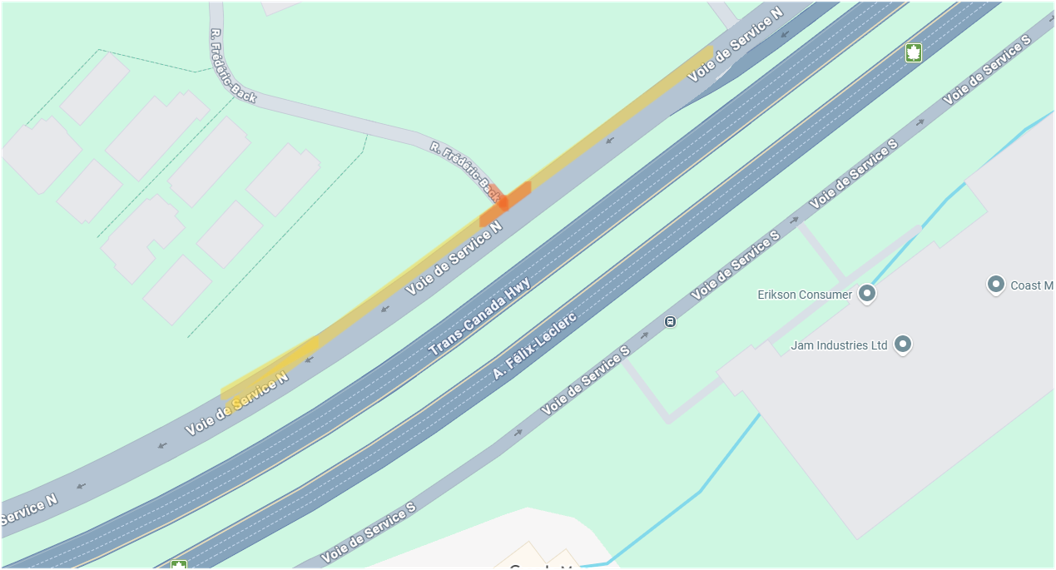
Fermetures de longue durée sur l’A-520 dans le secteur du boulevard Cavendish

Depuis le 1er mars, et ce, jusqu’en septembre 2026, des fermetures majeures sont en place sur la voie de desserte de l’autoroute 520 (chemin de la Côte-de-Liesse).

Info-collectes

2025-12-15

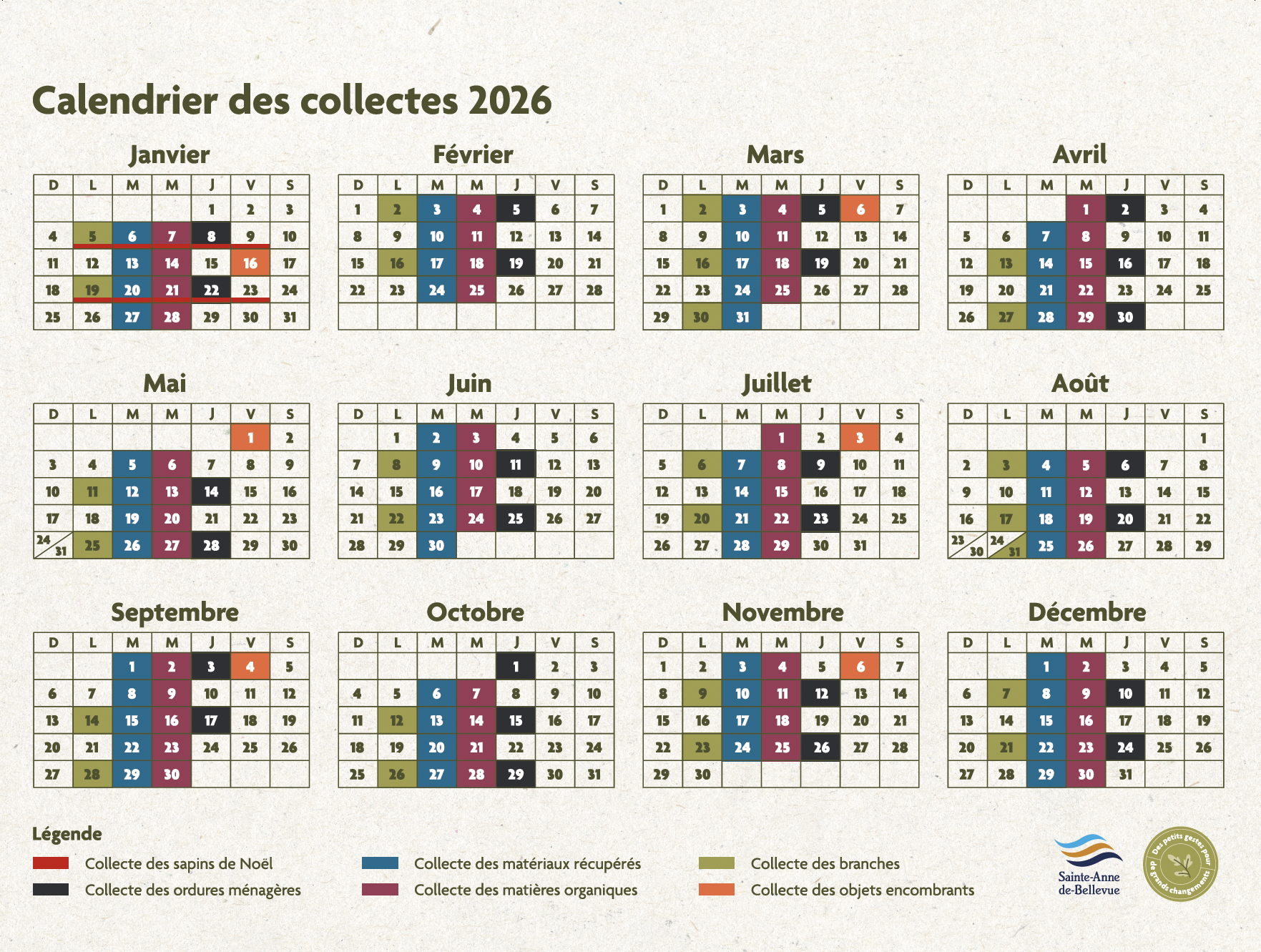
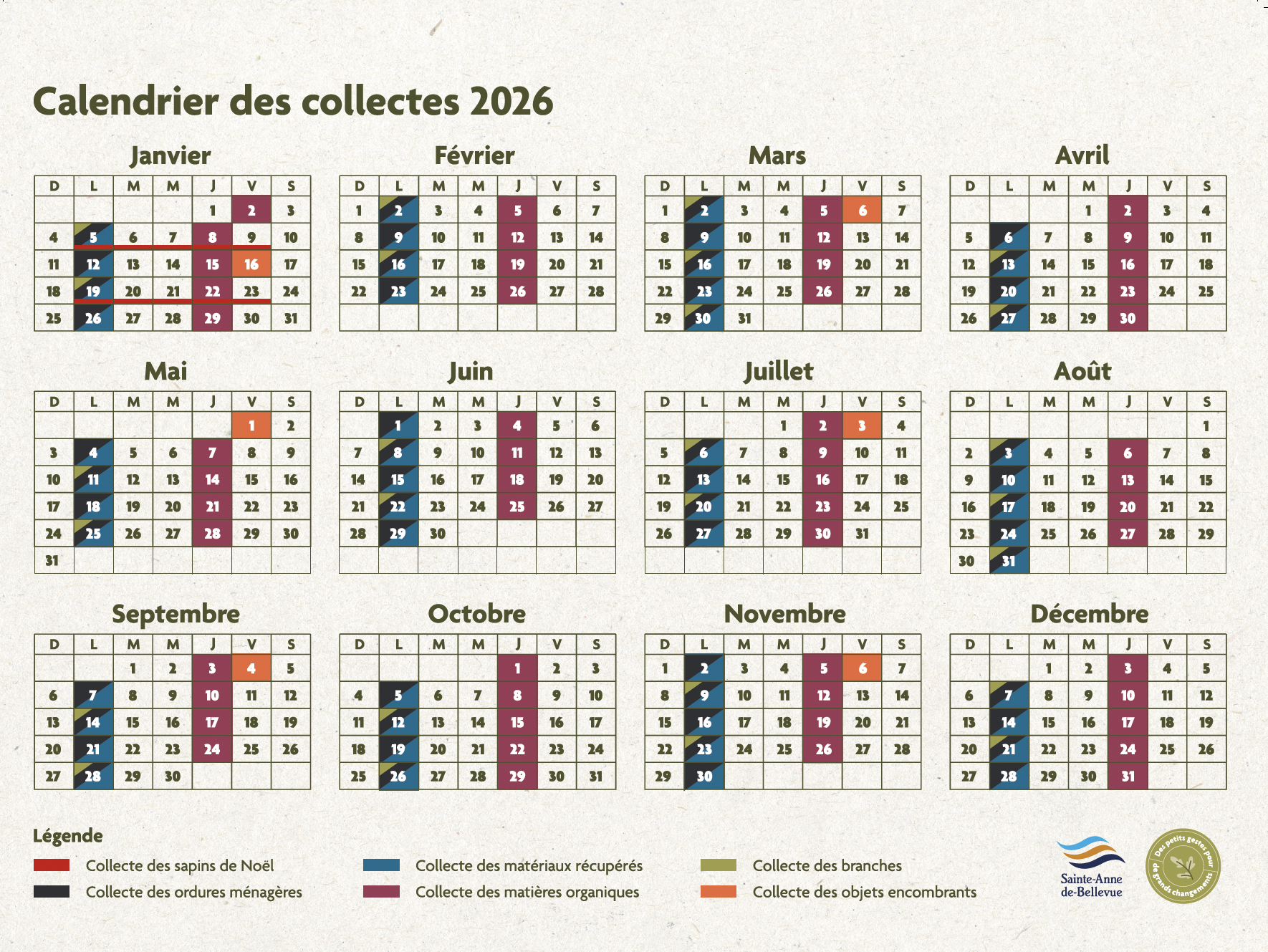
Consultez le calendrier des collectes 2026

Contactez-nous!


Recherche

Animals

Animals

Animals

Dogs

Official Regulations Concerning Domestic Dogs 

Règlement numéro 882 sur les chiens et abrogeant le règlement numéro 812 et ses amendements April 14 2026

Key provisions of the regulation

Number of dogs allowed

No more than three dogs may be kept in a single dwelling unit. It is prohibited to operate a kennel within the city limits. However, when a female dog gives birth, the puppies may be kept for a maximum period of three months.

License and tag

Dog owners must obtain the mandatory dog license from the City administration. A license and tag are issued to anyone who submits a valid application and pays the required fee. The dog license is valid for the dog’s entire lifetime; it is non-refundable, non-transferable, and cannot be assigned to another person.

The dog license application must include the last name, first name, address, and phone number of the dog’s owner, as well as the dog’s breed, sex, weight, color, year of birth, and name. The applicant must present a valid photo ID with an address and proof of residence.

Effective January 1, 2020, the applicant must provide proof of spaying or neutering, as well as proof that the dog has a microchip, or written proof from a veterinarian that either of these procedures is contraindicated for the dog.

Anyone in custody of the dog must ensure that it wears its tag at all times when outside the home. It is the dog owner’s responsibility to report to the City any change of address, as well as the death, disappearance, sale, or donation of the dog, within 30 days of such a change.


Get the Dog License Application Form.

Revocation of the license

The municipal government refuses to issue a new dog license or revokes such a license:

  • When the competent authority declares a dog to be dangerous, the owner whose license has been revoked must give up the dog.
  • When a person has been found guilty of three violations of the regulations within the past five years. A license holder whose license is revoked must relinquish the dog within 10 days of receiving the notice of revocation and provide proof of this to the competent authority.


In addition, a keeper whose license is revoked is barred from obtaining a new license for a period of five years from the date the notice of revocation or the euthanasia order is issued.

Dog control

The owner must maintain control of their dog at all times. The owner must have the physical ability to keep the dog under constant control so that it cannot escape.

Any dog outside its residence must be kept on a leash. The leash must be no longer than 1.85 meters and must be attached to a collar or harness, with the exception of guide dogs or service dogs.


Chien à risque

Any high-risk dog must be muzzled at all times when outside its dwelling unit. If the high-risk dog bites, attempts to bite, attacks, or attempts to attack a person again—without causing death—or kills a domestic animal again, causing a laceration to the skin, that dog is declared potentially dangerous or dangerous. The owner of a high-risk dog must post a warning sign to that effect at the main entrances to their residence and yard. This sign must be posted so that it is easily visible to anyone who may have access to the residence or property.

Potentially dangerous dog

Any potentially dangerous dog must be muzzled at all times when outside its dwelling unit. If the dog bites, attempts to bite, attacks, or attempts to attack a person again—without causing death—or kills a domestic animal again, causing a laceration to the skin, that dog is declared dangerous.

The owner of a potentially dangerous dog must post a warning sign to that effect at the main entrances to their residence and yard. This sign must be posted so that it is easily visible to anyone who may have access to the residence or property. Any dog declared potentially dangerous must be registered in a publicly accessible registry.

Public Registry of Potentially Dangerous Dogs

Dangerous dog

It is prohibited to keep or possess a dangerous dog within the City limits. The owner of a dangerous dog must have the dog euthanized within 48 hours of receiving the euthanasia order. The owner of the dangerous dog must provide written certification from the veterinarian who performed the euthanasia within 72 hours of the dog’s death.


Prohibitions

  • It is prohibited to keep a dog tethered using a restraint device, such as a chain or rope, for more than 3 hours.
  • Dogs are not permitted inside municipal buildings, with the exception of guide dogs and service dogs.
  • Dogs are prohibited at all times in city parks and on the Canal Promenade, with the exception of guide dogs and service dogs, which are permitted in all public places. Dogs are, however, permitted in the following dog parks: Saint-Pierre Park and Robillard Park.


Nuisances

  • Allowing a dog to remain outdoors without wearing the required tag;
  • Allowing a dog to cause damage to property or to the property of others;
  • Keeping one or more dogs in a dwelling unit or outbuilding where their presence emits odors likely to cause a nuisance to the neighborhood;
  • Failing to clean up the dog’s urine or feces by any means in a dwelling unit, an outbuilding, on a porch, or a balcony;
  • Allowing the dog to bark, whine, or howl in a manner that disturbs the peace or quiet of a person;
  • Allowing the dog to attack, bite, attempt to attack, or attempt to bite a person or another animal;
  • Leaving the dog on private property without the consent of the owner or occupant of the property;
  • Being with the dog in a public place where a sign indicates that dogs are prohibited. 

Stray dog: 

A dog that is not on a leash, is not accompanied by an owner, is not on the owner’s property, and does not have an identification tag

Dangerous dog: a dog that has caused the death of a person or a domestic animal OR a high-risk dog or a potentially dangerous dog that has been declared dangerous by the competent authority


Guide dog or service dog: any dog trained to help a person with a disability live more independently

Mixed-breed dog: a dog resulting from a cross between a dog and a canid other than a dog

Prohibited dogs:

  • dangerous dog
  • mixed-breed dog
  • dog temporarily brought into the city limits that has previously bitten, attempted to bite, attacked, or attempted to attack a person or an animal

At-risk dog:

  • a dog that has bitten, attempted to bite, attacked, or attempted to attack a person, without causing death
  • a dog that has bitten a domestic animal, causing a laceration to the skin
  • a dog that has committed an act likely to endanger the safety of a person or a domestic animal


Potentially dangerous dog: a high-risk dog that has been declared potentially dangerous by the competent authority

There are currently two dog parks in Sainte-Anne-de-Bellevue:

Photo : Richard Gregson


The Morgan Arboretum also allows dogs on some of its trails. However, dogs and their owners must be registered. For more information, visit the Arboretum’s website.

In these parks, dog owners are required to pick up after their dogs at all times.

NOTE: Dogs are prohibited at all times in city parks and on the Canal Promenade, with the exception of guide dogs and service dogs, which are permitted in all public areas.

All dog owners are required to obtain a tag issued by the City. Anyone in charge of a dog must ensure that the dog wears the tag at all times when in a public place. All dogs must have a tag, regardless of their breed or history. It is not uncommon for a dog that is usually kept indoors to leave the house without its owner’s knowledge. It is therefore important that the dog wears its tag.

Cost of the tag: $40, valid for the dog’s entire lifetime

Registration fees are waived for all guide dogs and service dogs.

Effective January 1, 2020, it will be mandatory to have all dogs within the city limits of Sainte-Anne-de-Bellevue spayed or neutered. Proof of spaying or neutering will be required when purchasing a dog tag.

Why should you have your dog neutered?

There is a consensus among animal experts that spaying and neutering are essential to responsible pet ownership.

Benefits of sterilization:

  • Contrary to popular belief, spaying or neutering does not cause animals to become overweight. Instead, it helps prevent various diseases (infections, tumors, cancer, etc.) and contributes to increasing the animal’s life expectancy
  • Prevents unwanted behaviors. A spayed or neutered pet, regardless of age, will exhibit fewer hormone-related behaviors such as urine marking, territorial behavior, wandering, and fighting.
  • Reduces the tendency to run away and roam during the breeding season
  • Significantly reduces urine marking
  • Relieves heat-related symptoms in females (bleeding, restlessness)
  • It helps control the population by limiting unwanted litters. It’s important to note that a litter of puppies can range from four to twelve puppies, and that multiple litters can be born each year. Spaying and neutering therefore reduces the number of orphaned puppies that cannot find adoptive homes and prevents them from being euthanized.


The sterilization procedure is painless

Preventing pain is a top priority for veterinarians. Animals are placed under general anesthesia and given pain medication before and after the procedure. For female animals, since the procedure is more invasive, veterinarians also prescribe anti-inflammatory medication for the days following surgery.

Fully aware of the need to show Quebecers that veterinarians are deeply concerned about the high number of abandoned animals, the Association des médecins vétérinaires du Québec en pratique des petits animaux (AMVQ) launched National Animal Sterilization Week in Quebec (NASWQ) and has been organizing it for the past six years. Each year, more than 200 veterinary clinics and the majority of veterinarians participate in NASWQ in various ways.

Effective January 1, 2020, all dogs in the city of Sainte-Anne-de-Bellevue must be microchipped. Proof of microchipping will be required when purchasing a dog tag.


What is a microchip?

It is a tiny capsule, about the size of a grain of rice, that contains a microchip with a unique identification number. The capsule is injected under the animal’s skin, between its shoulder blades, using a syringe.

During the procedure, the animal may feel slight discomfort for a few seconds, but this will quickly subside. Sterilized and made of biologically inert materials, the microchip is a safe method for identifying an animal.


Why should you have your dog microchipped?

If your dog gets lost and isn’t wearing an ID tag, there’s no way for anyone to contact you or bring him home. Most lost animals without ID end up at a shelter, and if the owner can’t be reached, the animal may be euthanized. All shelters and veterinarians are equipped with microchip scanners. This means that any stray or injured animal can be quickly identified, its owner contacted, and any necessary treatment started without delay.

Benefits of microchipping:

  • Guaranteed “unique” identification of the animal
  • A single implant lasts for the animal’s entire life
  • Helps you find your pet if it is lost or stolen
  • Helps resolve disputes regarding pet ownership
  • Saves on boarding costs at animal shelters
  • Reduces the number of unnecessary euthanizations
  • The microchip is required to clear customs in certain countries with your pet

Owning a pet comes with many responsibilities for the owner and involves certain costs, including:

  • a long-term commitment for many years to come;
  • costs related to spaying/neutering and annual identification;
  • costs associated with nutrition and grooming (nails, ears, coat, grooming, etc.);
  • costs associated with regular veterinary care (vaccinations, flea and heartworm prevention, etc.) and unexpected expenses;
  • boarding fees (when you go on vacation);
  • daily walks (for dogs);
  • more frequent housekeeping (hair, sand, etc.).


Are you moving or going on vacation?

Don’t leave your pet to fend for itself! Instead of abandoning it, find it a new home. Contact a local shelter or organization.

Let’s be responsible: animals are not consumer goods!

Cats

At the City Council’s regular meeting held on February 11, 2019, the Council adopted Bylaw 809 regarding cats. This bylaw aims to regulate the ownership of domestic cats and limit the presence of feral cats within the city limits.

Key provisions of the regulation

Number of cats allowed

No more than four cats may be kept in a single dwelling unit. It is prohibited to operate a cattery within the city limits. However, when a female cat gives birth, the kittens may be kept for a maximum period of three months.

License and tag

The owner of a cat, with the exception of a community cat, must obtain the mandatory license and cat tag (valid for the cat’s entire lifetime), issued by the City. When applying for a cat license, the owner must provide their first and last name, address, and phone number. They must also provide the cat’s breed, sex, weight, color, year of birth, and name. The applicant must present a valid photo ID and proof of residence.

Effective January 1, 2020, the applicant must provide proof of spaying or neutering, as well as proof that the cat has a microchip, or written proof from a veterinarian that either of these procedures is contraindicated for the cat.

Any person in custody of the cat must ensure that the cat wears its tag at all times when outside the owner’s dwelling unit. It is the cat owner’s responsibility to report to the City any change of address, as well as the death, disappearance, sale, or donation of the cat, within 30 days of such a change.


Get the Cat Permit Application Form

Nuisances

  • It is prohibited to allow a cat to remain outdoors without the required identification tag, except in the case of a community cat.
  • It is prohibited to allow a cat to cause damage to public property or the property of others.
  • It is prohibited to keep one or more cats in a residential unit if their presence emits odors likely to disturb the neighborhood.
  • It is prohibited to fail to clean up, by any means, a cat’s urine or feces on private or public property.
  • It is prohibited to allow a cat to meow in a manner that disturbs the peace or quiet of a person.
  • It is prohibited to allow a cat to attack, bite, attempt to attack, or bite a person or another animal.
  • It is prohibited to allow a cat on private property without the consent of the owner or occupant of the property.

Sanctions

  • First offense: minimum fine of $200 plus fees
  • Second offense: minimum fine of $300 plus fees
  • Subsequent offenses: minimum fine of $400 plus fees


Types of Cats

  • Outdoor cat: a cat that was purchased or adopted by its owner with the intention of keeping it outdoors most of the time
  • Indoor cat: a cat that was purchased or adopted by its owner with the intention of keeping it inside a dwelling most of the time
  • Stray cat: a cat found outside a dwelling that does not have an identification tag

All cat owners are required to obtain a tag issued by the City. Anyone in charge of a cat must ensure that the cat wears the tag at all times while in a public place.


Cost of the tag: $20, valid for the cat’s lifetime

NOTE: All cats must wear an ID tag, including indoor cats. It’s not uncommon for a cat that’s usually kept indoors to wander off without its owner’s knowledge. It’s therefore essential that the cat can be identified.

Effective January 1, 2020, it will be mandatory to have all cats within the city limits of Sainte-Anne-de-Bellevue spayed or neutered. Proof of spaying or neutering will be required when purchasing a tag.


Why should you have your cat spayed or neutered?

There is a consensus among animal experts that spaying and neutering are essential to responsible pet ownership.

Benefits of sterilization:

  • Prevents unwanted behaviors. A spayed or neutered pet will exhibit fewer hormone-driven behaviors such as urine marking, territorial behavior, wandering, and fighting
  • Significantly reduces urine marking
  • Eliminates heat cycle symptoms in females (bleeding, meowing, restlessness)
  • Helps control the population by limiting unwanted litters. It’s important to know that a female cat gives birth to five or six kittens and can have multiple litters each year. Spaying or neutering therefore reduces the number of orphaned animals that cannot find adoptive homes and prevents them from being euthanized


Fully aware of the need to show Quebecers that veterinarians are deeply concerned about the high number of abandoned animals, the Association des médecins vétérinaires du Québec en pratique des petits animaux (AMVQ) launched National Animal Sterilization Week in Quebec (NASWQ) and has been organizing it for the past six years.


Sterilization causes animals pain


Preventing pain is a top priority for veterinarians. Animals are placed under general anesthesia and given pain medication before and after the operation. For female animals, veterinarians also prescribe anti-inflammatory medication for the days following surgery.

Spaying and neutering is beneficial to animals’ health


Instead, it helps prevent several diseases (including infections and cancer) and contributes to increasing the animal’s life expectancy

Spaying and neutering changes an animal’s personality


No scientific studies have shown that sterilization has a significant effect on an animal’s personality. However, it does reduce the tendency to run away or roam during the breeding season

For every person born, 45 cats are born as well


In fact, a fertile pair of cats can “produce” more than 8 kittens a year, which will go on to reproduce themselves. This quickly leads to a staggering number of cats, and not all of them can be adopted. That is why euthanasia is the leading cause of death among cats

For more information on sterilization, visit the following websites:

  • SPCA website
  • The Many Benefits of Spaying and Neutering Pets

Effective January 1, 2020, all cats within the city limits of Sainte-Anne-de-Bellevue must be microchipped. Proof of microchipping will be required when purchasing a tag.

What is a microchip?

It is a tiny capsule, about the size of a grain of rice, that contains a microchip with a unique identification number. The capsule is injected under the animal’s skin, between its shoulder blades, using a syringe.

During the procedure, the animal may feel slight discomfort for a few seconds, but this will quickly subside. Sterilized and made of biologically inert materials, the microchip is a safe method for identifying an animal.


Why should you have your cat microchipped?

If your cat gets lost and isn’t microchipped, there’s no way for anyone to contact you or bring your pet home. Most lost animals without identification end up at a shelter, and if the owner can’t be reached, the animal may be euthanized. All shelters and veterinarians are equipped with microchip scanners. This means that any stray or injured animal can be quickly identified, its owner contacted, and any necessary treatment started without delay.

Benefits of microchipping:

  • Guaranteed “unique” identification of the animal
  • A single implant lasts for the animal’s entire life
  • Helps you find your pet if it is lost or stolen
  • Helps resolve disputes regarding pet ownership
  • Saves on boarding costs at animal shelters
  • Reduces the number of unnecessary euthanizations
  • The microchip is required to clear customs in certain countries with your pet

The procedure is painful for the cat

No, not at all. The injection is a quick and simple procedure that causes only mild discomfort to the animal. Furthermore, the implanted capsule is inert, sterile, and biocompatible. The risk of a reaction is therefore minimal—lower than the potential for a reaction to a vaccine.

The microchip makes it easier to find a lost or stolen pet

Thanks to its unique identifier, it’s very easy to find the owner of a microchipped pet. Anyone who finds the pet can have the chip scanned for free at a pet store or a veterinarian’s office.

Microchipping is too expensive

The cost of microchipping ranges from $40 to $100, including the fee for registering the chip in the database. This is a one-time cost for the animal’s entire life. There are also free microchipping events, organized from time to time by organizations such as the SPCA. All you have to do is ask!

For more information on microchipping, visit the following websites:

Owning a pet comes with many responsibilities for the owner and involves certain costs, including:

  • a long-term commitment for many years to come;
  • costs related to spaying/neutering and annual identification;
  • costs associated with nutrition and grooming (nails, ears, coat, grooming, etc.);
  • costs associated with regular veterinary care (vaccinations, flea and heartworm prevention, etc.) and unexpected expenses;
  • boarding fees (when you go on vacation);
  • daily walks (for dogs);
  • more frequent housekeeping (hair, sand, etc.).

Are you moving or going on vacation?

Don’t leave your pet to fend for itself! Instead of abandoning it, find it a new home. Contact a local shelter or organization.

Let’s be responsible: animals are not consumer goods!

For more information, please visit the following websites:

Wildlife

The City of Sainte-Anne-de-Bellevue is fortunate to have several green spaces where wildlife can thrive in peace. Among these are Anse-à-l’Orme Nature Park, the Morgan Arboretum, and Bois-de-la-Roche Agricultural Park (Senneville), all three of which are open to the public.

Main natural habitats

Anse-à-l’Orme Nature Park

This 233-hectare linear park is partially developed.  It is home to wet meadows, marshes, former farmland that has been left fallow, forests, and the Rivière-à-l’Orme. Hundreds of species of birds and animals live there, some of which are endangered or rare. The century-old forest has been designated an Exceptional Forest Ecosystem (EFE) by the Quebec Ministry of Natural Resources and Wildlife.

White-tailed deer

Morgan Arboretum

The Morgan Arboretum, a 245-hectare reserve of woods and fields owned by McGill University, provides an ideal habitat for many species. From the short-tailed shrew to the white-tailed deer, experts at the Arboretum estimate that the area is home to 29 species of mammals, 15 species of reptiles and amphibians, and just over 200 species of birds (many of which breed there), making it one of the most biodiverse areas on the Island of Montreal.


Bois-de-la-Roche Agricultural Park
The Bois-de-la-Roche Agricultural Park is a rural estate representative of the farms found in the western part of the island at the turn of the century. Covering an area of 191 hectares—equivalent to the size of Mount Royal—most of the park is used for agricultural purposes, while the rest has been left in its natural state.

Feeding a wild animal may seem like a kind gesture, but it’s important to refrain from doing so, both for the animal’s well-being and for our own.

A matter of health and safety

Most wild animals are healthy, but some may carry infectious diseases such as rabies, which can be transmitted to humans. It is not enough to try to distinguish a sick animal from the others; contrary to what one might think, a sick animal is not always aggressive and may appear rather lethargic and docile. In any case, an unexpected reaction from a wild animal is always possible, whether it is sick or not; you must remain vigilant and keep your distance.

Furthermore, food consumed by humans is not necessarily suitable for wildlife. Our food often has little nutritional value for animals and can even be harmful to their health. Bread and treats, for example, can cause serious weight problems and interfere with their activities, particularly bird migration in the fall.


To prevent changes in wildlife behavior

Feeding wild animals reduces their self-sufficiency; they may become dependent on this artificial food source and lose their ability to forage for food in the wild.

Furthermore, a decrease in wildlife’s natural fear of humans can lead to all sorts of conflicts, such as an increase in their movement, which raises the risk of collisions with vehicles.


Promote healthy communication on both sides

Despite all good intentions, feeding wild animals does far more harm than good. To support wildlife and make it easier to observe, creating a small garden on your property that promotes biodiversity or setting up a bird feeder during the winter (when tree fruits are no longer available) are more appropriate approaches.

Generally speaking, when it comes to wildlife observation, it’s important to remember the basic rules: keep a safe distance and avoid interfering with the animal’s normal activities in its natural habitat. In conclusion, if you appreciate wild animals, don’t feed them and let them go about their business… naturally!


Legal Framework

According to Municipal Bylaw No. 770 on Nuisances and Safety, it is prohibited to capture, feed, or take any action intended to provide shelter to a wild mammal within the territory of Sainte-Anne-de-Bellevue.

The City of Montreal also has a bylaw to this effect: feeding wild animals is prohibited under the bylaw regarding the use and conservation of the City of Montreal’s regional parks (09-029). Violators are subject to fines of up to $4,000.

The coyote has expanded its range in recent years, and its presence has been reported in new areas, including Anse-à-l’Orme Nature Park and Bois-de-la-Roche Agricultural Park. We would therefore like to inform you about the steps you can take to promote peaceful coexistence with this animal, which has adapted to life in urban areas.


Important

Report coyote sightings in your area by calling the Coyote Info Line at 438-872-COYO (2696) or by filling out the online form available on the City of Montreal’s website. This information is essential for planning appropriate measures to ensure harmonious coexistence.

Features

  • The coyote is an animal that has adapted very well to urban environments, even though it is naturally wary of humans.
  • Coyotes are primarily active at night.
  • Coyotes remain wild animals, and it can be dangerous to try to approach them.
  • Coyotes feed mainly on small rodents.
  • In urban areas, coyotes are most commonly found in green spaces (parks, golf courses, vacant lots, power lines, and railroad corridors).
  • Coyotes can transmit certain diseases to humans, such as rabies.


General precautions

  • Do not approach or feed coyotes. Feeding wild animals is prohibited (Bylaw 770), and violators are subject to fines of up to $4,000.
  • Teach children never to approach a coyote or any other wild animal.
  • Do not feed outdoor animals (including cats and dogs).
  • Make sure to keep your garbage out of reach of animals. Observe the designated curbside garbage collection times.
  • Pick up fruit that falls from trees, as it is an attractive food source for wild animals, including coyotes.


Pet Safety

  • Keep dogs on a leash in parks and stay on designated trails, as required by municipal regulations
  • Keep cats indoors, especially at night


What should you do if you encounter a coyote?

  • Stay calm
  • Give the animal enough space to run away

If the coyote doesn’t leave or if it reacts aggressively:

  • Make yourself look imposing by raising your arms
  • Make noise or shout to scare it off
  • You can also throw objects in its direction, but don’t aim directly at it so as not to make it more aggressive
  • Move away by backing up slowly and maintaining eye contact with the animal. Avoid turning your back on it. Do not run.
  • Call 911 in case of an emergency


For more information: https://montreal.ca/en/topics/coyotes